

CORE COMPETENCY 6 OF 12
Connecting
Breaking Through Isolation into Authentic Community
Connecting is the practice of moving out of isolation and into authentic, vulnerable relationship with God and others. Mental illness builds walls. Recovery tears them down. You were never designed to heal alone—and the community waiting for you is not a luxury, it’s the very mechanism through which God does His deepest work.
“Two are better than one, because they have a good return for their labor: If either of them falls down, one can help the other up. But pity anyone who falls and has no one to help them up.”
Ecclesiastes 4:9-10
Why This Matters for Recovery
You Were Made for Belonging
Isolation is the breeding ground of illness. Connection is the soil where healing grows.
Breaking Isolation

Mental illness whispers that you’re the only one, that nobody understands, that you’re too broken for community. These are lies. And the first act of defiance in recovery is letting someone in.
Seek God's Counsel

True connection requires vulnerability—the willingness to be seen as you are, not as you wish you were. This is terrifying. It is also the doorway to the deepest healing you’ll ever experience.
Sacred Community

The early church didn’t just attend services—they shared life. They ate together, prayed together, wept together. This is the Acts 2 model, and it’s the kind of community that transforms broken people.
Being Known

There is a difference between being seen and being known. Recovery happens when someone knows your story—the whole story—and still chooses to stay. That is the love of Christ in human form.
Going Deeper
Understanding Connection
God’s prescription for healing has always been the same: one another.
What Is True Connection?
We live in the most technologically connected era in human history—and the loneliest. We have a thousand online friends and no one to call at 2 AM when the darkness closes in. We curate perfect digital lives while our real lives crumble behind the screen.
True connection is not the same as proximity, and it is certainly not the same as social media. True connection is the experience of being fully known and fully loved at the same time. It is what happens when you drop the mask, tell the truth about your struggle, and discover that someone is still standing there, still present, still choosing you.
“Dear friends, let us love one another, for love comes from God. Everyone who loves has been born of God and knows God. Whoever does not love does not know God, because God is love.”— 1 John 4:7-8
Connection begins vertically—with God, who knows everything about you and loves you completely. And it flows outward horizontally—to the people He has placed in your life to carry the weight alongside you. Without both dimensions, healing is incomplete.
Why Isolation Is the Enemy of Recovery
Every mental health condition has one thing in common: it drives you into isolation. Depression tells you that you’re a burden and people are better off without you. Anxiety convinces you that you’ll be judged, rejected, misunderstood. Psychosis distorts reality so severely that connection itself becomes frightening. Addiction thrives in secrecy—it cannot survive in the light of honest community.
This isolation is not just a symptom—it is the disease’s survival strategy. The illness knows that if you connect, you heal. So it fights connection with everything it has.
The Clinical Connection
Research in interpersonal neurobiology demonstrates that human brains are literally wired for connection. Our nervous systems regulate one another—a phenomenon called “co-regulation.” When you sit with a calm, safe person, your own nervous system begins to settle. Loneliness, on the other hand, activates the same brain regions as physical pain. Social isolation increases mortality risk by 26% and is as damaging to health as smoking 15 cigarettes a day.
This is why healing in community is not optional—it’s biological. God designed your brain to need other people. The science confirms what Scripture has always said: it is not good for man to be alone.
The Biblical Foundation
From the very first chapter of Genesis, God established a fundamental truth about human nature: we are made for relationship. Before sin entered the world, before there was any brokenness to heal, God looked at Adam—who had a perfect relationship with God Himself—and said, “It is not good for the man to be alone.”
If relationship was essential before the Fall, how much more essential is it after? When we are broken, wounded, and struggling, we need each other more than ever.
“Carry each other’s burdens, and in this way you will fulfill the law of Christ.”
— Galatians 6:2
The New Testament uses the phrase “one another” over 100 times. Love one another. Encourage one another. Bear with one another. Confess to one another. Forgive one another. Pray for one another. This is not a suggestion—it is the architecture of the Christian life. Faith was never meant to be a solo endeavor.
And then there is Jesus Himself, who in His darkest hour—the Garden of Gethsemane—did not withdraw into solitary prayer alone. He brought Peter, James, and John with Him and said, “My soul is overwhelmed with sorrow to the point of death. Stay here and keep watch with me.” Even the Son of God asked for human presence in His suffering.
“We are not meant to be solitary creatures. God has so arranged the body that each part needs the others. In the community of Christ, your weakness is met by another’s strength, and your strength becomes another’s lifeline.” — Dietrich Bonhoeffer
Wisdom from Those Who Walked Before
The saints understood that solitude without community becomes loneliness, and community without solitude becomes chaos. True connection holds both in tension—knowing when to be alone with God and when to be present with His people:
“Let him who cannot be alone beware of community. Let him who is not in community beware of being alone. Each by itself has profound pitfalls and perils.” — Dietrich Bonhoeffer
“The most terrible poverty is loneliness, and the feeling of being unloved. Where there is love, there is God. And where there is God, there is the beginning of healing.” — Mother Teresa
“Community is the place where the person you least want to live with always lives. And when you finally learn to love that person, you find that you have grown in ways you never imagined possible.” — Henri Nouwen
Bonhoeffer wrote about community from a Nazi prison cell, where connection was stripped away and its value burned into his soul. Mother Teresa spent decades among the most isolated people on earth and understood that loneliness kills more surely than any disease. Henri Nouwen, a celebrated professor, left Harvard to live among people with severe disabilities—and discovered that they taught him more about love than all his years in academia.
A Prayer for Connection
If isolation has become your refuge—if the walls feel safer than the world outside—this prayer is for you. God does not call you out of hiding to hurt you. He calls you out to heal you, surrounded by people who have scars of their own.
“Father, I have been hiding for so long. I have built walls to protect myself, and now they have become my prison. I am afraid to be seen. I am afraid to be known. I am afraid that if people saw the real me, they would leave. But You see the real me—and You have never left. Give me the courage to step out of isolation and into the community You have prepared for me. Help me trust again. Help me love again. And help me believe that I am worth knowing. In Jesus’ name, Amen.” — A Prayer for Belonging

You Don’t Have to Walk Alone
Receive free daily devotionals delivered straight to your inbox—morning and evening Scripture, wisdom from the saints, and practical steps for your recovery journey.
- Morning & Evening readings
- Wisdom from the saints
- 100% free, unsubscribe anytime
Join thousands walking the recovery journey together. We respect your privacy.
Companion Reading
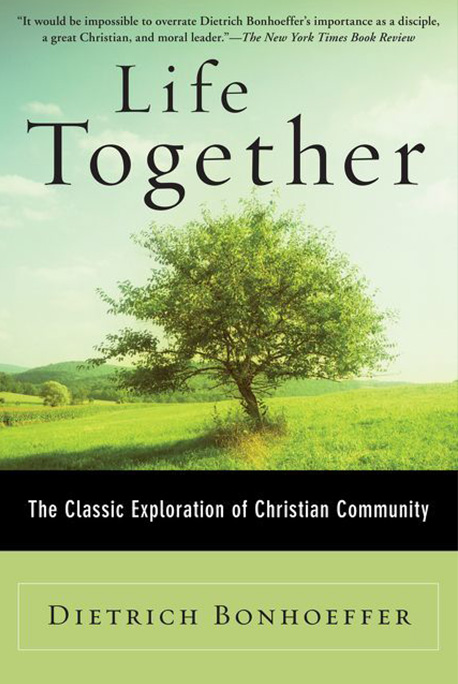
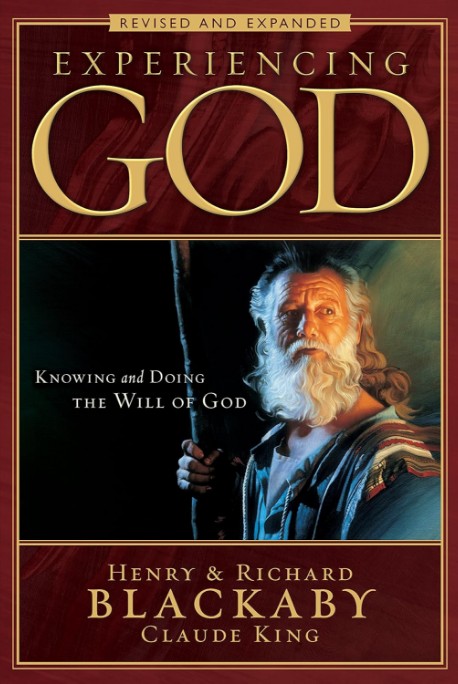
Go Deeper into Community
These classic works illuminate the transforming power of authentic Christian connection.

ABOUT US
Where This Devotional Was Born
Sanctuary Clinics is a Christ-centered residential mental health treatment center in Florida. We exist for those who have tried everything else—where clinical excellence meets authentic Christian community for complete healing of spirit, mind, and body.
- Christ-Centered Care – Faith isn’t an add-on; it’s the foundation of everything we do
- Clinical Excellence – Evidence-based psychiatric care from experts who are also believers
- Healing Community – Not a hospital with a chaplain, but an Acts 2 community living together
- Affordable & Accessible – Quality care that doesn’t require choosing between healing and financial ruin