CORE COMPETENCY 5 OF 12
Decision Making
Learning to Choose Wisely When Everything Feels Impossible
Decision Making is the practice of aligning your choices with God’s wisdom rather than your impulses, fears, or old patterns. In recovery, every day presents crossroads—and learning to pause, pray, and choose well is the difference between freedom and relapse. You were never meant to navigate these choices alone.
“Trust in the Lord with all your heart and lean not on your own understanding; in all your ways submit to him, and he will make your paths straight.”
Proverbs 3:5-6
Why This Matters for Recovery
Choosing Life When Your Mind Says Otherwise
Recovery is built one wise decision at a time—and God promises to guide every step.
Pause Before Reacting

Mental illness hijacks the space between stimulus and response. Learning to pause—even for a breath—creates room for wisdom to enter where impulse used to rule.
Seek God's Counsel

The God who knows the end from the beginning invites you to ask for wisdom—and He promises to give it generously, without finding fault.
Trusted Voices

Wise decisions are rarely made in isolation. God places counselors, pastors, therapists, and community around you—a multitude of advisors in whom there is safety.
Progress Over Perfection

Recovery doesn’t demand flawless choices—it asks for faithful ones. Every decision to choose life over destruction, truth over lies, and hope over despair moves you forward.
Going Deeper
Understanding Decision Making
When your mind is at war with itself, God offers a way through.
What Is Godly Decision Making?
Every day, the average person makes roughly 35,000 decisions. Most of them are small and automatic—what to eat, what to wear, which route to take. But for someone in recovery from mental illness, even simple choices can feel overwhelming. The fog of medication, the weight of depression, the chaos of anxiety—all of it conspires to make the simplest decisions feel monumental.
Godly decision making is not about achieving perfect clarity before every choice. It is the practice of submitting your will to God’s wisdom, especially when your own understanding has failed you. It is learning to say, “I don’t trust my feelings right now, but I trust the God who holds my future.”
“If any of you lacks wisdom, you should ask God, who gives generously to all without finding fault, and it will be given to you.”— James 1:5
This is an astonishing promise. God does not roll His eyes when you come to Him confused. He does not say, “You should know this by now.” He gives wisdom generously, freely, without reproach. Your confusion is not a disappointment to God—it’s an invitation to depend on Him.
Why This Matters for Recovery
Mental health conditions fundamentally alter how the brain processes decisions. Depression distorts risk assessment—everything looks hopeless, so why bother choosing well? Anxiety amplifies consequences—every choice feels catastrophic. Psychosis scrambles the signals entirely, making it nearly impossible to distinguish between wise counsel and dangerous impulse.
This is not a moral failing. This is neurology. And understanding that your decision-making apparatus has been compromised by illness is actually the first step toward making better decisions—because it teaches you to rely on something more stable than your own shifting perceptions.
The Clinical Connection
Neuroscience research reveals that the prefrontal cortex—the brain’s “decision center”—is significantly impacted by mental health conditions. Depression reduces activity in this region, anxiety overactivates the amygdala (hijacking rational thought), and substances like cannabis can cause lasting disruption to executive function. Recovery literally rebuilds these neural pathways, restoring the brain’s capacity for sound judgment over time.
This is why structured decision-making frameworks matter so much in recovery. You’re not just making choices—you’re rebuilding the cognitive and spiritual architecture that makes wise choices possible. Every time you pause, pray, seek counsel, and choose well, you are literally rewiring your brain for health.
The Biblical Foundation
Scripture is remarkably honest about the difficulty of decision making. The Bible is filled with people who faced impossible choices—and it shows us both the glory of choosing well and the devastation of choosing poorly.
Consider Moses at the Red Sea. Behind him, the Egyptian army. Before him, an uncrossable body of water. His people were terrified. The situation was objectively hopeless. But God said: “Tell the Israelites to move forward.” Sometimes the godly decision is to take the next step when nothing makes sense.
“I have set before you life and death, blessings and curses. Now choose life, so that you and your children may live.”
— Deuteronomy 30:19
Or consider Joshua, who stood before the Israelites after decades of wandering and said, “Choose for yourselves this day whom you will serve… but as for me and my household, we will serve the Lord.” Decision making in Scripture is never passive. It requires courage, commitment, and a willingness to stand apart from the crowd.
And then there is Solomon, who when offered anything in the world by God Himself, asked for one thing: wisdom to discern between right and wrong. God was so pleased with this request that He gave Solomon not only wisdom but everything else besides. The desire for wisdom delights the heart of God.
“God does not give us the spirit of fear, but of power, love, and a sound mind. A sound mind is a mind that can weigh options, seek counsel, and rest in the faithfulness of God when the path forward is unclear.” — Charles Spurgeon
Wisdom from Those Who Walked Before
The great men and women of faith understood that decision making is not about eliminating uncertainty—it’s about choosing to trust God within it. Their words can steady us when the ground feels unsteady beneath our feet:
“The will of God is not something you add to your life. It’s a course you choose. You either line up with the Son of God, or you capitalize on the way of the rest of the world.” — Oswald Chambers
“God never gives us discernment in order that we may criticize, but that we may intercede. When we are faced with a decision, we are not called to judge the options but to seek the heart of the Father.” — Oswald Chambers
“You do not need to know precisely what is happening, or exactly where it is all going. What you need is to recognize the possibilities and challenges offered by the present moment, and to embrace them with courage, faith, and hope.” — Thomas Merton
Oswald Chambers wrote from the trenches of World War I, where decisions meant life and death. Thomas Merton made the radical decision to leave everything for a monastery. These were not men who found choosing easy—they were men who found God faithful in the choosing.
A Prayer for Wisdom
If you’re standing at a crossroads right now—if every option feels wrong, if your mind is spinning and your heart is heavy—this prayer is for you. God meets us not in our certainty, but in our surrender.
“Father, I am lost in the fog of my own confusion. I cannot see clearly. I do not trust my own judgment right now—and maybe that is exactly where You want me. Teach me to lean on Your understanding instead of my own. Send me wise counsel. Quiet the noise in my mind long enough to hear Your still, small voice. And when I must choose before I feel ready, give me the courage to step forward in faith, knowing that You hold every outcome in Your hands. In Jesus’ name, Amen.” — A Prayer for Sound Judgment

Start Each Day with Clarity
Receive free daily devotionals delivered straight to your inbox—morning and evening Scripture, wisdom from the saints, and practical steps for your recovery journey.
- Morning & Evening readings
- Wisdom from the saints
- 100% free, unsubscribe anytime
Join thousands walking the recovery journey together. We respect your privacy.
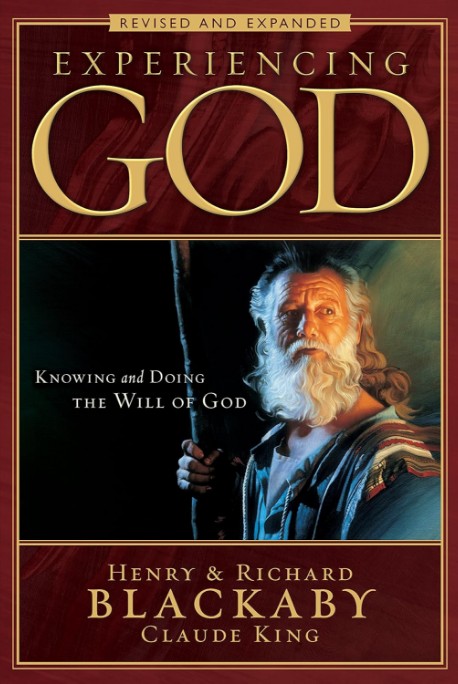
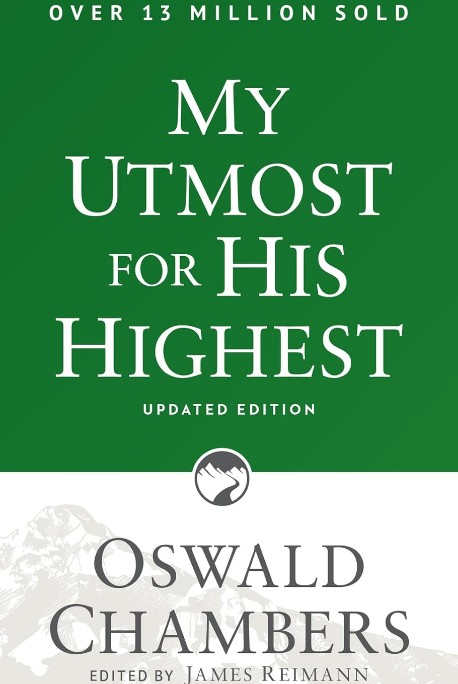
Companion Reading
Go Deeper with Godly Wisdom
These classic works pair beautifully with your journey toward wise decision making.

ABOUT US
Where This Devotional Was Born
Sanctuary Clinics is a Christ-centered residential mental health treatment center in Florida. We exist for those who have tried everything else—where clinical excellence meets authentic Christian community for complete healing of spirit, mind, and body.
- Christ-Centered Care – Faith isn’t an add-on; it’s the foundation of everything we do
- Clinical Excellence – Evidence-based psychiatric care from experts who are also believers
- Healing Community – Not a hospital with a chaplain, but an Acts 2 community living together
- Affordable & Accessible – Quality care that doesn’t require choosing between healing and financial ruin