

CORE COMPETENCY 12 OF 12
Resilience
The Sacred Art of Getting Back Up
Resilience is not the absence of suffering—it is the refusal to let suffering have the last word. It is the capacity to absorb the worst that life delivers and, by the grace of God, rise again. You have already survived everything that has tried to destroy you. That is not luck. That is resilience. And it is the final competency because it is the one that holds all the others together when the storm comes again.
“We are hard pressed on every side, but not crushed; perplexed, but not in despair; persecuted, but not abandoned; struck down, but not destroyed.”
2 Corinthians 4:8-9
Why This Matters for Recovery
Struck Down, But Not Destroyed
Recovery is not a straight line. Resilience is what keeps you on the path when it bends.
Rising After Falling

There will be bad days. There may be setbacks. Resilience is not the promise that you will never fall—it is the assurance that falling is not the end of the story. The righteous person falls seven times and rises again.
Enduring with Hope

Resilience without hope is just stubbornness. Christian resilience endures because it looks beyond the present suffering to the God who promises to make all things new. It is suffering that produces character that produces hope.
Adapting and Growing

True resilience is not returning to who you were before the crisis. It is becoming someone stronger, wiser, and more compassionate because of it. You are not going back. You are going through—and you will emerge transformed.
Becoming a Beacon

Your resilience is not just for you. Every time you get back up, you light the way for someone behind you who is about to fall. Your survival becomes someone else’s evidence that recovery is possible.
Going Deeper
Understanding Resilience
Not the absence of breaking—but the art of mending stronger.
What Is Resilience?
The word “resilience” comes from the Latin resilire—to spring back, to rebound. But biblical resilience is more than bouncing back. It is bouncing forward—emerging from the trial not merely intact, but transformed. The Japanese have a practice called kintsugi: repairing broken pottery with gold, so that the cracks become the most beautiful part of the piece. That is the image of Christian resilience.
You are not defined by your breaking. You are defined by the gold God is pouring into the cracks.
“Not only so, but we also glory in our sufferings, because we know that suffering produces perseverance; perseverance, character; and character, hope.”— Romans 5:3-4
Paul gives us the chain reaction of resilience: suffering does not produce hope directly. It produces perseverance—the gritty, daily choice to keep going. Perseverance produces character—the slow transformation that happens when you endure with faith. And character, finally, produces hope—not the wishful kind, but the iron-forged kind that can withstand anything because it has already been through the fire.
Why Resilience Is the Culmination of Recovery
We place resilience last among the twelve competencies for a reason. It is not the first skill you learn—it is the one that integrates everything else. Awe gives you a vision bigger than your pain. Identity anchors you when the storm shakes your foundations. Empathy connects you to others who carry your load. Belief gives you something to hold when you cannot hold yourself. Decision-making, connecting, gratitude, integrity, reconciling, temperance, humility—each one is a thread. Resilience is the tapestry they weave together.
Without the other eleven, resilience is just white-knuckled survival. With them, it is flourishing through adversity.
The Clinical Connection
Resilience research has identified specific, measurable protective factors that buffer against relapse: strong social support networks, active spiritual practice, consistent daily structure, cognitive flexibility, emotional regulation skills, and a sense of purpose or meaning. Remarkably, every one of these factors maps directly onto the twelve competencies in this devotional series. Studies in treatment-resistant populations show that patients who develop these interlocking protective factors have significantly better long-term outcomes—not because they avoid crises, but because they have built the internal and relational infrastructure to navigate them. Resilience is not a personality trait you’re born with; it is a skill set you build deliberately.
This is profoundly hopeful news. If resilience were a fixed trait, some people would simply be out of luck. But because it is built through practice—through the daily disciplines of faith, connection, gratitude, and self-regulation—it is available to everyone. Including you.
The Biblical Foundation
The Bible is not a book of people who never suffered. It is a book of people who suffered enormously and were not destroyed. From Joseph in prison to David in the wilderness, from Job on the ash heap to Paul in chains—the pattern is unmistakable: God does not always remove the trial, but He always sustains His people through it.
“I have told you these things, so that in me you may have peace. In this world you will have trouble. But take heart! I have overcome the world.”— John 16:33
Jesus did not promise the absence of trouble. He promised His presence in the midst of it. And He promised that trouble would not have the final word—He would. That is the foundation of Christian resilience: not optimism, not denial, not positive thinking, but an unshakeable trust in the One who has already overcome.
Consider the story of Shadrach, Meshach, and Abednego. Thrown into a furnace for refusing to compromise their faith, they said something extraordinary before the fire: “Our God is able to deliver us. But even if He does not, we will not bow.” That is resilience at its purest—faithfulness that does not depend on the outcome. And when the king looked into the furnace, he saw not three figures but four. God did not prevent the fire. He walked into it with them.
“The Lord is close to the brokenhearted and saves those who are crushed in spirit. The righteous person may have many troubles, but the Lord delivers him from them all.” — Psalm 34:18-19
Wisdom from Those Who Walked Before
The saints who embody resilience most fully are those who endured the unendurable—and emerged not merely surviving, but shining. Their words are not motivational posters; they are dispatches from the front lines of suffering:
“I have been driven many times upon my knees by the overwhelming conviction that I had nowhere else to go. My own wisdom and that of all about me seemed insufficient for that day. And in that position—on my knees—I found a strength that had no earthly source.” — Abraham Lincoln
“My grace is sufficient for you, for my power is made perfect in weakness. Therefore I will boast all the more gladly about my weaknesses, so that Christ’s power may rest on me. For when I am weak, then I am strong.”— The Apostle Paul (2 Corinthians 12:9-10)
“There is in God—some say—a deep but dazzling darkness. In the darkest night of the soul, the dawn is nearest. Hold fast. The morning comes to those who wait for it, and it comes most beautifully to those who have endured the longest night.” — Henry Vaughan, adapted
Lincoln led a nation through civil war while battling crippling depression throughout his life. Paul wrote about the sufficiency of grace while enduring a “thorn in the flesh” that God refused to remove. Henry Vaughan, the seventeenth-century poet, wrote about divine darkness from a life marked by loss and the devastation of war. These were not people who avoided suffering. They were people who walked straight through it and found God waiting on the other side.
A Prayer for Unbreakable Hope
If you are in the valley right now—if the darkness is pressing in, if you are not sure how much longer you can hold on—this prayer is for you. You have made it this far. You have survived every worst day you have ever had. And the God who has carried you this far is not about to let go now.
“God, I am tired. I am so tired. I have been fighting for so long that I have forgotten what peace feels like. There are days when getting out of bed feels like the bravest thing I will ever do. But I am still here. And if I am still here, then You are still working. So I will not give up today. Not because I am strong—I am not. But because You are. Carry me when I cannot walk. Fight for me when I cannot lift my arms. And remind me, every single morning, that the story is not over yet. That the darkness does not get the last word. That You are making all things new—including me. In Jesus’ name, Amen.” — A Prayer for the Long Road Home

You Have Survived Every Storm So Far
Receive free daily devotionals delivered straight to your inbox—morning and evening Scripture, wisdom from the saints, and practical steps for your recovery journey.
- Morning & Evening readings
- Wisdom from the saints
- 100% free, unsubscribe anytime
Join thousands walking the recovery journey together. We respect your privacy.
Companion Reading
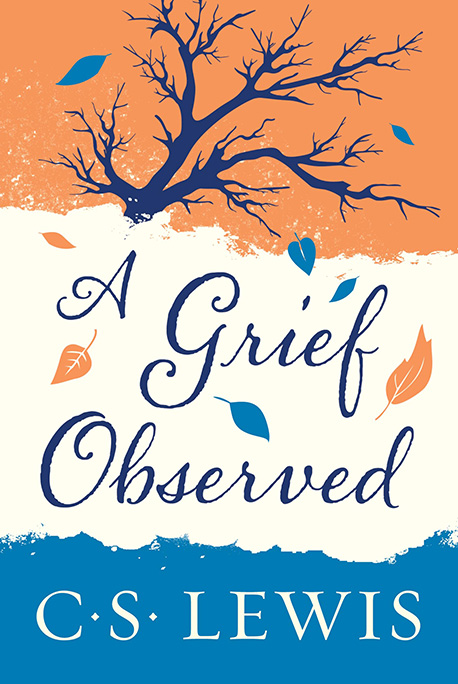
Go Deeper into Endurance
These powerful works teach the art of standing firm when everything shakes.


ABOUT US

Where This Devotional Was Born
Sanctuary Clinics is a Christ-centered residential mental health treatment center in Florida. We exist for those who have tried everything else—where clinical excellence meets authentic Christian community for complete healing of spirit, mind, and body.
- Christ-Centered Care – Faith isn’t an add-on; it’s the foundation of everything we do
- Clinical Excellence – Evidence-based psychiatric care from experts who are also believers
- Healing Community – Not a hospital with a chaplain, but an Acts 2 community living together
- Affordable & Accessible – Quality care that doesn’t require choosing between healing and financial ruin