

CORE COMPETENCY 10 OF 12
Temperance
The Forgotten Virtue That Guards Your Recovery
Temperance is the ancient art of self-governance—the quiet, steady discipline of moderation in all things. In a culture that screams “more,” temperance whispers “enough.” For those in recovery, this is not merely a nice idea. It is the guardrail between healing and relapse, between freedom and the chains of excess that nearly destroyed you.
“Like a city whose walls are broken through is a person who lacks self-control.”
Proverbs 25:28
Why This Matters for Recovery
The Power of Enough
Freedom is not doing whatever you want. Freedom is having the power to do what is good.
Governing the Inner Life

Temperance is not about deprivation—it is about dominion. It is learning to rule your appetites instead of being ruled by them. In recovery, this means taking back territory your illness has occupied.
Guarding Against Relapse

Every relapse begins with a small excess—one boundary crossed, one impulse indulged, one “just this once.” Temperance builds the daily habits that prevent the small compromises from becoming catastrophic ones.
Rhythm and Routine

The temperate life is a structured life—and structure is medicine for a disordered mind. Regular sleep, meals, medication, prayer, and rest create the stability your brain needs to heal.
Finding True Freedom

The world says freedom is the absence of limits. Scripture says freedom is the presence of self-control. Temperance is the pathway to the kind of freedom that mental illness tried to steal from you.
Going Deeper
Understanding Temperance
Not the absence of desire, but the mastery of it.
What Is Temperance?
Temperance is one of the four cardinal virtues recognized by the ancient church—alongside prudence, justice, and courage. Of the four, it is perhaps the most misunderstood. Most people hear “temperance” and think of prohibition, of grim-faced abstinence, of saying no to everything enjoyable. That is not temperance. That is its counterfeit.
True temperance is the capacity to enjoy good things in their right proportion, at the right time, in the right way. It is the difference between savoring a meal and gorging yourself. Between using medication as prescribed and abusing it. Between resting and numbing. Between appropriate grief and despair that consumes you.
“But the fruit of the Spirit is love, joy, peace, forbearance, kindness, goodness, faithfulness, gentleness and self-control. Against such things there is no law.”— Galatians 5:22-23
Notice where Paul places self-control: at the end of the fruit of the Spirit, as its culmination. It is not the first thing you receive—it grows as the other fruits grow. It is also listed as a fruit of the Spirit, not a product of willpower. This matters immensely for recovery. You are not expected to manufacture self-control from your own depleted reserves. You are invited to receive it as a gift.
Why Temperance Is Essential in Recovery
Mental illness attacks the brain’s capacity for self-regulation. Depression floods you with lethargy and then jolts you with agitation. Anxiety ratchets everything to maximum intensity. Psychosis erases the boundaries between thought and reality. Substance use hijacks the reward system entirely, rewriting your brain’s definition of “enough.”
This is why temperance is not optional in recovery—it is the very skill your illness has damaged, and rebuilding it is central to getting well.
The Clinical Connection
The prefrontal cortex—the brain region responsible for impulse control, delayed gratification, and decision regulation—is precisely the area most compromised by chronic mental illness, substance use, and particularly cannabis-induced psychosis. Neuroimaging studies show reduced prefrontal activity and weakened connectivity in individuals with treatment-resistant conditions. The good news: the prefrontal cortex is remarkably neuroplastic. Structured practices of self-regulation—consistent routines, mindfulness, delayed gratification exercises, and healthy habit formation—have been shown to strengthen prefrontal function over time, literally rebuilding the brain’s capacity for temperance.
This is why the daily structure of residential treatment is itself a form of medicine. Regular wake times, scheduled meals, consistent therapy, structured recreation—all of it is training your brain to operate within healthy limits again. And when you practice temperance in the small things—taking medication on time, going to bed when you said you would, eating before you’re starving—you are rebuilding the neural infrastructure that supports temperance in the big things.
The Biblical Foundation
Scripture treats self-control not as a personality trait that some people have and others don’t, but as a spiritual discipline that can be cultivated—and a divine gift that must be received. The Bible is remarkably practical about the importance of limits, boundaries, and moderation.
“No temptation has overtaken you except what is common to mankind. And God is faithful; he will not let you be tempted beyond what you can bear. But when you are tempted, he will also provide a way out so that you can endure it.” — 1 Corinthians 10:13
Consider Daniel in Babylon. Surrounded by excess—the king’s rich food, the court’s indulgence, every temptation a young exile could face—Daniel chose temperance. Not out of legalism, but out of loyalty to a deeper identity. He knew who he was, and he knew that accepting everything the empire offered would slowly erode the person God had made him to be.
Or consider Jesus in the wilderness. Forty days of fasting, and the tempter came offering bread, power, spectacle—all things that were not inherently evil, but were offered at the wrong time, in the wrong way, for the wrong reasons. Jesus’ temperance was not the absence of desire—He was hungry, He was human. It was the governance of desire by a higher loyalty.
“Temperance is simply a disposition of the mind which sets bounds to the passions. It is the moderation that prevents the soul from being controlled by what should serve it.” — St. Thomas Aquinas
Wisdom from Those Who Walked Before
The saints and thinkers who practiced temperance most faithfully understood something counterintuitive: limits create freedom. Boundaries don’t shrink your life—they protect it. Their wisdom echoes across centuries:
“Complete abstinence is easier than perfect moderation. And yet perfect moderation is the higher calling—for it requires not the avoidance of the thing, but the mastery of oneself in the presence of it.” — St. Augustine
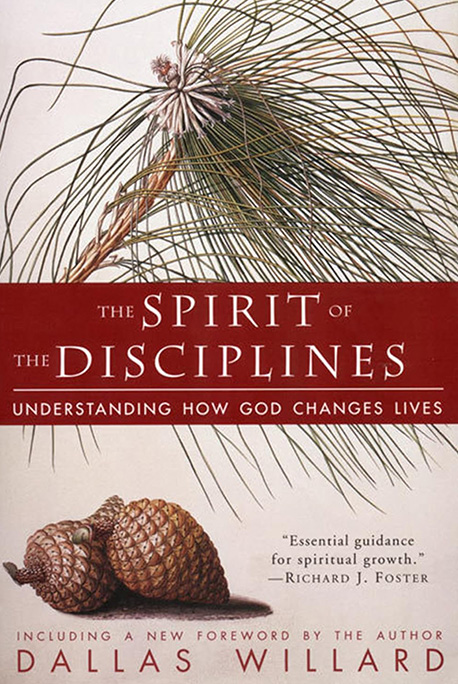
“The essence of self-discipline is to do the important thing rather than the urgent thing. It is to choose what you want most over what you want now. This is the battle every person in recovery must fight and win, one hour at a time.” — Dallas Willard
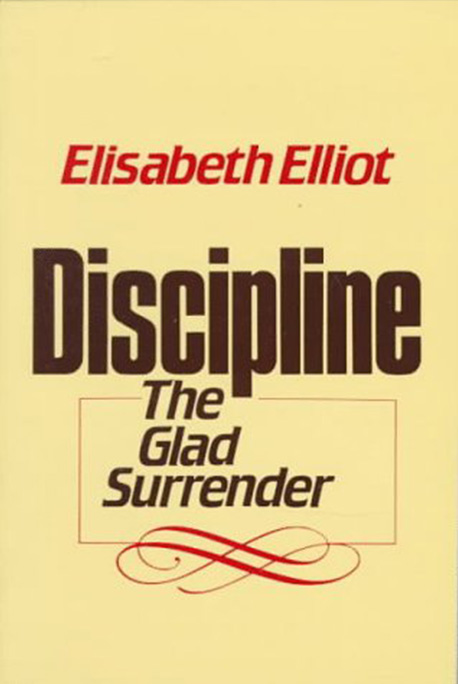
“Discipline is the whole-hearted yes to the call of God. Disorder and license are not freedom. True freedom comes through the narrow gate of discipline, where the soul learns to govern itself under the governance of its Maker.” — Elisabeth Elliot
Augustine wrote about temperance as a man who had lived without it—his Confessions are the story of a brilliant mind enslaved by appetites until grace set him free. Dallas Willard spent decades teaching that spiritual disciplines are not burdens but pathways to life. Elisabeth Elliot practiced temperance through unspeakable grief, finding that structure and discipline held her together when emotion could not.
A Prayer for Self-Governance
If you feel out of control—if your appetites are stronger than your will, if your impulses keep winning, if you are exhausted from fighting the same battles—this prayer is for you. Temperance is not something you manufacture. It is something you receive.
“Lord, I am tired of being governed by my impulses. I have chased excess in a hundred forms—looking for comfort, looking for escape, looking for something to fill the emptiness—and every time, I end up more empty than before. I cannot do this on my own. My willpower is not enough. Give me Your Spirit of self-control. Not the grim, white-knuckled kind, but the kind that flows from a heart satisfied in You. Teach me that enough is enough. Teach me to savor instead of devour. Rebuild the walls of my life that my illness has broken down. In Jesus’ name, Amen.” — A Prayer for Holy Moderation

Find Freedom in Daily Discipline
Receive free daily devotionals delivered straight to your inbox—morning and evening Scripture, wisdom from the saints, and practical steps for your recovery journey.
- Morning & Evening readings
- Wisdom from the saints
- 100% free, unsubscribe anytime
Join thousands walking the recovery journey together. We respect your privacy.
Companion Reading
Go Deeper into Self-Governance
These enduring works illuminate the path from impulse to freedom.

ABOUT US
Where This Devotional Was Born
Sanctuary Clinics is a Christ-centered residential mental health treatment center in Florida. We exist for those who have tried everything else—where clinical excellence meets authentic Christian community for complete healing of spirit, mind, and body.
- Christ-Centered Care – Faith isn’t an add-on; it’s the foundation of everything we do
- Clinical Excellence – Evidence-based psychiatric care from experts who are also believers
- Healing Community – Not a hospital with a chaplain, but an Acts 2 community living together
- Affordable & Accessible – Quality care that doesn’t require choosing between healing and financial ruin