By Dr. Sesi Akoto, Medical Director, Sanctuary Clinics
Author, How to Help Your Loved One Get Off Cannabis
Parsing the Debate: Who’s Saying What—and Why It Matters
In a recent Marijuana Moment article, former HUD Secretary Dr. Ben Carson—himself a neurosurgeon with decades of medical training—warns that rescheduling cannabis “would help to destroy this country.” He argues that such a policy shift is not a trivial “middle-of-the-line issue,” but one with life-and-death implications, potentially exploited by criminal cartels and foreign adversaries.
By contrast, individuals like Mike Tyson have expressed optimism about rescheduling—perhaps seeing it as an avenue to expand access to cannabis. But personal beliefs—even from well-known public figures—don’t carry the same weight as medical and epidemiological expertise when it comes to public health.
There Are Many Voices Speaking Right Now—Choose Wisely
We’re in a cultural moment where many voices are speaking up—about cannabis, its risks, its potential, and what should come next. From celebrities and entrepreneurs to physicians and lawmakers, opinions abound. If you’re reading this, chances are you’ve already heard strong arguments from both sides.
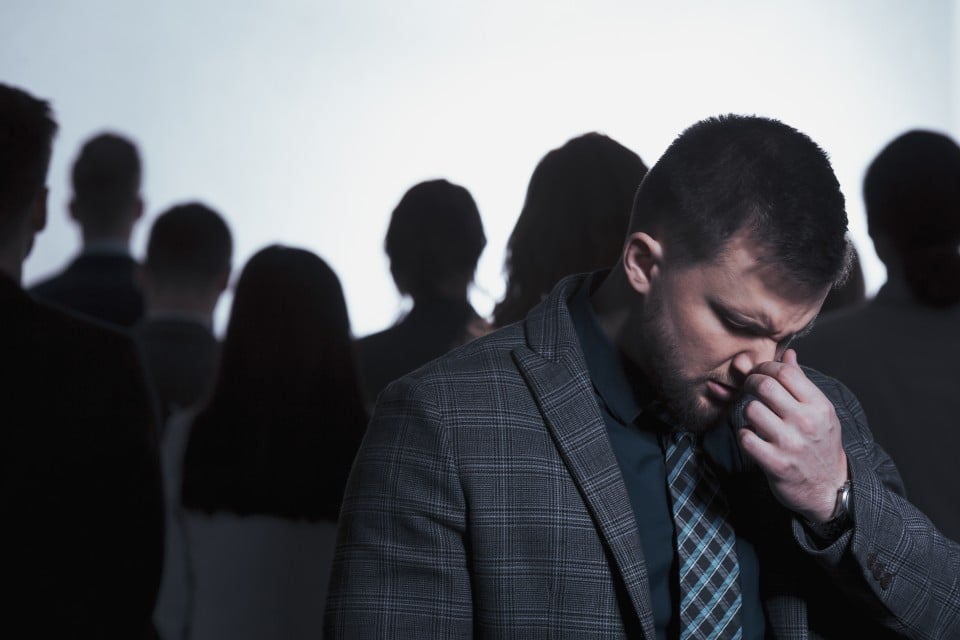
So here’s my plea: Consider carefully the voices you’re listening to. If you’re turning to cannabis to cope with anxiety, trauma, sleep issues, or pain, don’t rely on what a friend tells you helped them. Don’t base major health decisions on a TikTok clip or a celebrity endorsement—no matter how heartfelt.
Instead, talk to your doctor. Speak with a licensed therapist. Consult someone who understands your body, your mind, and your medical history. Self-diagnosing and self-prescribing can feel empowering, but they can also be harmful. Especially when the substance in question is one we know has complex effects on the developing brain and on people with underlying mental health conditions.
Aligning with Dr. Carson: Expertise Matters
Dr. Carson’s words resonate deeply with me—not merely because he holds public office, but because his background is surgical science. Let’s be clear: he’s a qualified voice in matters of neurodevelopment, addiction, and mental health.
I stand with him in caution: cannabis rescheduling—even with well-intentioned goals—must not be allowed to outpace essential public health safeguards, especially for youth and those with underlying psychiatric vulnerabilities.
Get Help Today.
We are here to help you through every aspect of recovery.
Let us call you to learn more about our treatment options.
We are here to help you through every aspect of recovery. Let us call you to learn more about our treatment options.
A Counterpoint: Speaking Up, Just Differently
Mike Tyson, whose life journey has undoubtedly shaped his views, speaks from personal experience rather than medical training. Perhaps he refers to cannabis as an alternative to chronic pain, stress, or trauma—especially meaningful for someone with a storied career in professional boxing. His optimistic outlook on rescheduling reflects his right to an opinion.
Still, anecdote cannot substitute for data. As a physician, I must prioritize brain health, longitudinal studies, and youth development.
What Medical Evidence Tells Us—Beyond Personal Narratives
At Sanctuary Clinics, we see firsthand how cannabis affects vulnerable brains:
- Adolescents and young adults are particularly susceptible—ongoing brain development in regions governing impulse control, learning, and emotional regulation makes them prone to deficits in memory, motivation, and scholastic performance.
- High-potency cannabis, now common in the marketplace, increases the incidence of Cannabis-Induced Psychosis (CIP) and Cannabis Use Disorder (CUD).
- Individuals with trauma histories or co-occurring mental health issues are at elevated risk of paranoia and exacerbated psychiatric symptoms.
These outcomes emerge not from hearsay, but from peer-reviewed studies and my clinical observations.
Why Rescheduling—While Not Banned—Cannot Be Unconditional
Rescheduling cannabis to Schedule III could indeed pave the way for more robust research, tax reform, and potential therapeutic applications. But it carries serious risks:
- Increased access without education can enable normalization—making cannabis seem as benign as over-the-counter medicine.
- Commercial interests may prioritize profit over protection, flooding markets with high-THC products and sanitizing the message of risk.
- Policymakers must enforce precautions, such as potency limits, age verification, and warning labels.
Without these, rescheduling becomes less about medical validity and more about market expansion.
Dr. Akoto’s Call: Put Health First—Always
Here’s what must guide us forward:
- Prioritize science-backed research before creating unregulated access. Our youth deserve evidence-based protection, not trial by market.
- Center public health, not profit. Any policy shift must empower treatment resources and mental health infrastructure in communities.
Balance optimism with caution. Rescheduling can be a tool—if wielded responsibly. But unbridled optimism without safety nets risks replicating the very crises we’ve fought to avoid.
In Closing
I respect all those raising their voices—whether Dr. Ben Carson or Mike Tyson. Their perspectives are rooted in life experience and personal conviction. But when it comes to safeguarding our children, our most vulnerable, and our national well-being, I must side with medical expertise—where evidence is weighed, risks are calculated, and the future is protected.
Be discerning. Be cautious. And most of all, be informed. Before you take anyone’s word for it—talk to a professional.
In hope and vigilance,
Dr. Sesi Akoto
Medical Director, Sanctuary Clinics
Author, How to Help Your Loved One Get Off Cannabis
Get Help Today.
We are here to help you through every aspect of recovery.
Let us call you to learn more about our treatment options.
We are here to help you through every aspect of recovery. Let us call you to learn more about our treatment options.