
The Cozumel Academic Residency
Our Christian Follow-Up Program
for Stabilized Young Adults
Our Christian Follow-Up Program for Stabilized Young Adults
Our Christian follow-up program for stabilized young adults — 3, 6, or 9
months of structured growth in Cozumel, Mexico.
Our Christian follow-up program for stabilized young adults — 3, 6, or 9 months of structured growth in Cozumel, Mexico.
What happens after Sanctuary:
The Question Every Parent Asks
What happens after Sanctuary: The Question Every Parent Asks
If your son or daughter is inside a Sanctuary Clinics program right now, or you are still considering us for the first time, there is a question you already know is coming.
What happens after they finish?
Thirty days of residential care. Sixty days. Ninety days of PHP and IOP. The work gets done. The medication gets steady. The nervous system starts to calm. The eyes look present again. And then the calendar reaches the discharge date, and every parent asks the same thing. Where do we go from here?
For most families, the honest answer used to be nowhere. Home. Same room. Same friends. Same laptop and phone and neighborhood that helped produce the first crisis. And for a lot of young adults, home turns out to be exactly the wrong place to protect what treatment just built.
We watched it happen enough times that we built a follow-up program of our own.
Why Cozumel and not Florida
Why Cozumel and not Florida
Before anything else, this is the question we get most often, and we want to answer it up front.
We built the Residency in Cozumel, Mexico for four reasons.
Before anything else, this is the question we get most often, and we want to answer it up front. We built the Residency in Cozumel, Mexico for four reasons.
01. Distance
For a struggling young adult, physical distance from the old routine, the old friends, and the old dealer or bar or bad relationship is one of the most protective factors research has documented. A thorough flight to a Caribbean island is exactly enough distance to interrupt every unhelpful pattern without disconnecting from family.
02. Cost
Delivering nine months of clinical care, medication management, discipleship, life-skills coaching, and academic support inside the United States would cost $12,000 to $25,000 per month. In Cozumel, where the cost of everything from food and services, nursing care, medical professionals, utilities, and most other expenses is considerably less, we can deliver the same integrated program for $4,000 to $4,500 per month. That is the difference between a program 50 families can afford and a program 500 families can afford.
03. Environment
Cozumel is one of the safest small islands in the Caribbean, welcoming 125,000 cruise passengers off the ships every week. The weather is stable year-round. The Christian expatriate community is warm and well-established. The diving, snorkeling, and outdoor programming that keeps a young adult motivated and physically healthy is genuinely world-class. The beauty is not decorative. It works clinically, spiritually, and motivationally.
04. We Are Already There
Sanctuary Cozumel is a functioning, staffed, Christian campus with a clinical team, a psychiatrist, a discipleship team, and years of operational experience. The Residency is not a new location. It is a new program inside a location we already run.
What the Cozumel Academic Residency Is
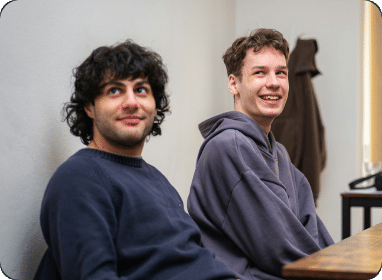
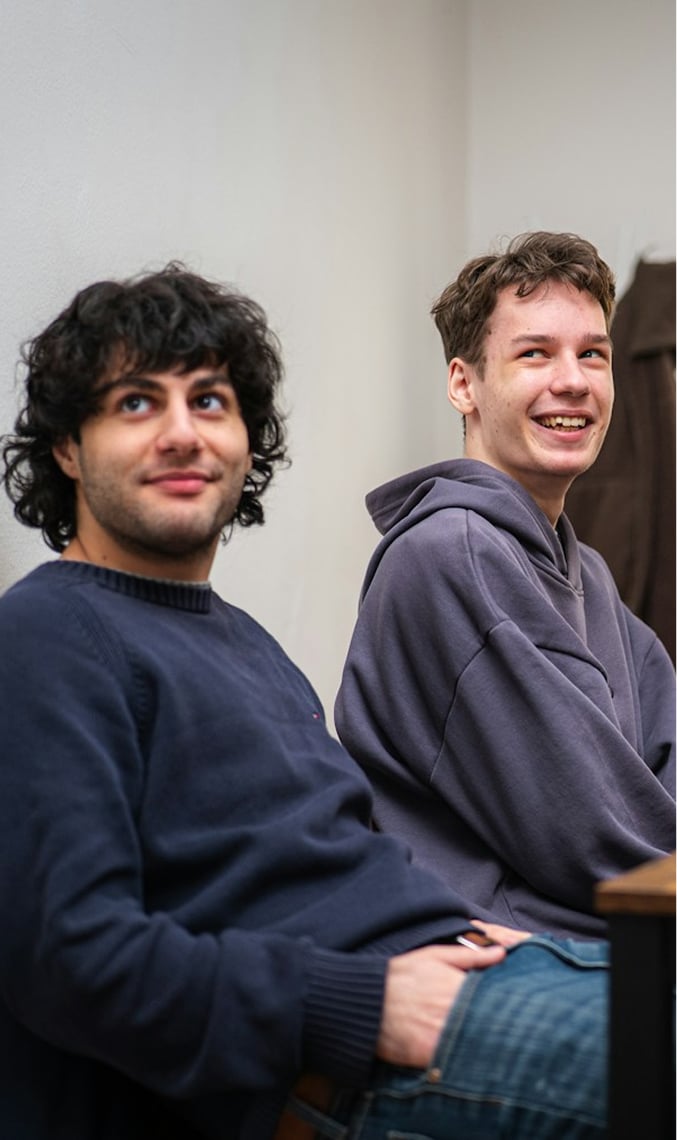
The Sanctuary Academic Residency is our Christian follow-up program for stabilized young adults ages 18 to 30. Most of our residents graduate to the Residency directly from our Monticello, Florida campus. Some come to us from other treatment centers. All of them share one thing in common: they have finished the first chapter of recovery and they need a structured, monitored, faith-centered environment to finish the next one.
The Residency is not another round of treatment. It is what treatment is supposed to lead to.
For 3, 6, or 9 months, residents live in a downtown Christian community in Cozumel where every day is built around four commitments: stay on the medication, stay away from substances, move forward in life, and grow in Christ.
Every morning includes breakfast, devotion, and a proctored academic study block. Every afternoon includes clinical care, spiritual formation, and life skills. Every evening includes community, Scripture, and rest. Twice a week they get out on the water (diving, snorkeling, kayaking), because Cozumel is one of the most beautiful places on earth to keep a young adult motivated, present, and healthy. Sundays are for church.
The program is disciplined. The setting is beautiful.
Both are on purpose.
The program is disciplined. The setting is beautiful. Both are on purpose.
Who the Residency Is Built For
Most of our residents come to us after completing 30 to 90 days of residential or PHP treatment. They share a profile that has been badly underserved by the treatment industry for a long time. They are:
- Stabilized on medication, often for depression, anxiety, bipolar disorder, or the aftermath of a psychotic episode
- Clean and sober, sometimes from cannabis, alcohol, prescription misuse, or a combination
- Underdeveloped in the ordinary skills of adult life: sleep hygiene, budgeting, cooking, professional communication, self-management
- Behind on their education, whether a semester or two lost to the crisis, a degree paused, a certificate half-finished, or a GED never earned
- Spiritually hungry, often more open to genuine faith than they have been at any point since childhood


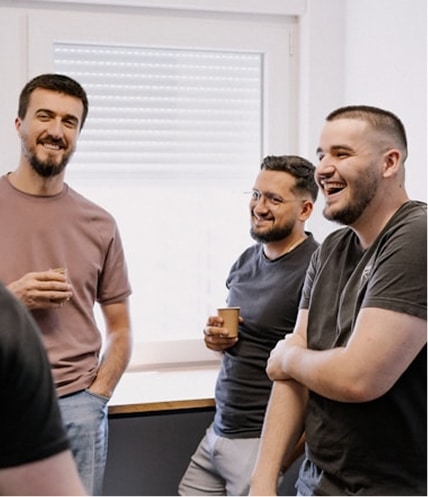

They are not sick enough for another round of residential treatment. They are not ready enough
for independent life. And their families know it. That is who the Residency was built for.
They are not sick enough for another round of residential treatment. They are not ready enough for independent life. And their families know it. That is who the Residency was built for.
Why Three-Month Modules
Most online college courses and certificate blocks run 8 to 9 weeks. We built the Residency to match that rhythm, so every three months a resident finishes something real: a completed course, a completed module, a completed certificate step. Progress that shows up on a transcript, not just on a whiteboard.
That gives families three ways to enter.
Foundations
One academic module plus orientation and re-entry weeks. This is the lowest-commitment tier and the most common starting point. Best for families who are testing the fit or for students who need one final structured term before returning home. Every Foundations resident finishes with completed coursework on their transcript, documented medication compliance, a written spiritual formation plan, a life-skills competency checklist, and an updated re-entry plan reviewed with the family.
Formation
Two academic modules, the equivalent of a full college semester. This is where the compounding benefits begin. The six-month mark is where identity and habit change consolidate. The stability from month one becomes the norm. Old friends stop calling as often. New patterns become the resident's own.
Mission
Three academic modules, the full clinical outcome window. It Foundations is the on-ramp and Formation is the consolidation, Mission is the transformation. Nine months of continuous medication compliance and monitored abstinence is the threshold at which the clinical research shows recovery becoming durable. It is also the tier where residents step into peer mentoring, take on their first paid work or ministry apprenticeship, and finish the coursework they came to complete.
Mission is our hero tier. It is where the story parents want for their child actually gets written.
Families do not commit to nine months up front. Most enroll in Foundations and re-enroll from there. Our clinical goal for every resident is the full Mission tier, and roughly two out of three families who start at Foundations continue.
A Week in the Life
Structure is love. Here is what an ordinary weekday looks like at the Residency:
DAILY RHYTHM

8:00 AM
Community breakfast and morning devotion

9:00 AM – 12:00 PM
Proctored academic study block, monitored by our Academic Success Coach

12:00 PM
Lunch and rest

1:30 PM – 3:00 PM
Clinical or spiritual programming
Rotates: individual therapy, group therapy, spiritual direction, biblical counseling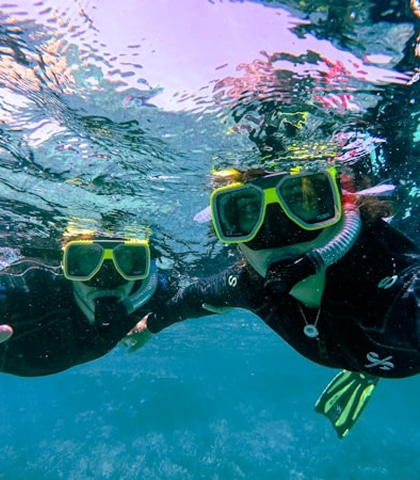
3:00 PM – 5:00 PM
Life skills lab or Cozumel adventure elective
Rotates: cooking, budgeting, fitness, diving, snorkeling, kayaking, cycling, service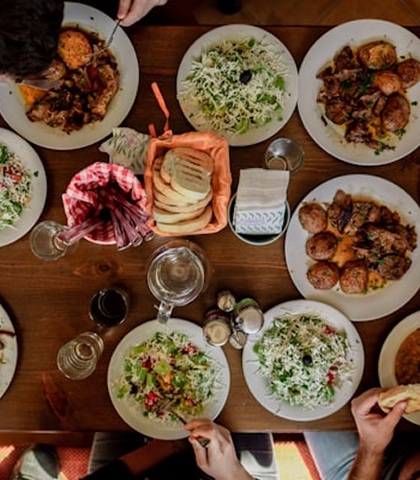
5:30 PM
Dinner and community life

7:00 PM – 8:30 PM
Evening discipleship curriculum
9:30 PM
Lights out
Saturday
Longer adventure or service days
Sunday
Church, family calls, and rest
DAILY RHYTHM
8:00 AM
Community breakfast and morning devotion
9:00 AM – 12:00 PM
Proctored academic study block, monitored by our Academic Success Coach
12:00 PM
Lunch and rest
1:30 PM – 3:00 PM
Clinical or spiritual programming
Rotates: individual therapy, group therapy, spiritual direction, biblical counseling3:00 PM – 5:00 PM
Life skills lab or Cozumel adventure elective
Rotates: cooking, budgeting, fitness, diving, snorkeling, kayaking, cycling, service5:30 PM
Dinner and community life
7:00 PM – 8:30 PM
Evening discipleship curriculum
9:30 PM
Lights out

Saturday
Longer adventure or service days
Sunday
Church, family calls, and rest
Inside that rhythm, four things are documented every week.
Medication compliance
Every dose observed, tracked, and reported.
Monitored abstinence
Random drug screens twice a month.
Academic progress
A written weekly study plan tied to each resident's home institution syllabus.
Spiritual formation
Journal, Scripture memory, and one-on-one mentoring inside a discipleship curriculum that draws on Jordan Peterson's life domains, James Clear's Atomic Habits, John Maxwell's laws of leadership and personal growth, and a Christ-centered thought-life framework rooted in 2 Corinthians 10:5.
The Academic Pathways We Support
We are not a college. Your son or daughter’s home institution is the accrediting body. What
we do is provide the coaching, the study environment, and the daily structure that makes
finishing coursework online actually happen.
Pathways we support:
We are not a college. Your son or daughter’s home institution is the accrediting body. What we do is provide the coaching, the study environment, and the daily structure that makes finishing coursework online actually happen.
Pathways we support:
AA / AS general education
completion through community colleges online, Sophia Learning, StraighterLine, or CLEP examination
Bible or ministry certificates
through Moody Distance Learning, Liberty University Online, Ligonier Academy, Christian Leaders Institute, or partner Bible colleges
Trade and vocational certificates
coding bootcamps, project management, HVAC preparation, real estate licensing preparation, and medical office administration
Bachelor's degree continuation
continuation at any accredited online program the resident is already enrolled in
Test prep and academic recovery
GED, CLEP, ACT retake, and remediation for students who need a reset
Our Academic Success Coach works with every family during admissions to choose the right pathway before the resident arrives, so the first Monday of the study block is already productive.
The clinical case for nine months
The clinical research on young adults with co-occurring mental-health and substance-use conditions is
remarkably consistent across multiple decades and study designs. Nine months of continuous
medication compliance and monitored abstinence is the threshold at which relapse rates fall
dramatically and recovery becomes durable. Not three months. Not six. Nine.
The clinical research on young adults with co-occurring mental-health and substance-use conditions is remarkably consistent across multiple decades and study designs. Nine months of continuous medication compliance and monitored abstinence is the threshold at which relapse rates fall dramatically and recovery becomes durable. Not three months. Not six. Nine.
9 months
of continuous compliance before relapse rates fall dramatically
2 of 3
families who start at Foundations continue to the full Mission tier
$4,000/mo
all-inclusive — clinical care, academics, discipleship, and adventure
At nine months, the neurobiology has stabilized. Sleep architecture is normal. Hormonal regulation is normal.
The prefrontal cortex is doing its job. Identity has re-formed around the new pattern. Family dynamics have
had time to reset. Peer groups have turned over. Christ has moved from a stranger to a friend.
At nine months, the neurobiology has stabilized. Sleep architecture is normal. Hormonal regulation is normal. The prefrontal cortex is doing its job. Identity has re-formed around the new pattern. Family dynamics have had time to reset. Peer groups have turned over. Christ has moved from a stranger to a friend.
The value comparison every family should do
The value comparison every family should do
We are the only program that combines a Christian residency, clinical oversight, medication
management, monitored abstinence, and academic coaching at a Caribbean value price. That
is not a marketing line. That is a description of the market as it exists today.
We are the only program that combines a Christian residency, clinical oversight, medication management, monitored abstinence, and academic coaching at a Caribbean value price. That is not a marketing line. That is a description of the market as it exists today.
Private U.S. university room & board
before tuition
U.S. young-adult transitional programs
none combine Christian formation with clinical care
Christian gap-year programs
none provide clinical care or medication management
Standard sober living (no clinical support)
no clinical or academic structure
Sanctuary Academic Residency (Mission tier)
all-inclusive: clinical, academic, discipleship, adventure
The Residency accepts private pay only. No insurance billing, no à la carte fees, no surprise charges. The tier price is the tier price.
Who Qualifies
The Residency is designed for young adults who:
- Stabilized on medication, often for depression, anxiety, bipolar disorder, or the aftermath of a psychotic episode
- Clean and sober, sometimes from cannabis, alcohol, prescription misuse, or a combination
- Underdeveloped in the ordinary skills of adult life: sleep hygiene, budgeting, cooking, professional communication, self-management
- Behind on their education, whether a semester or two lost to the crisis, a degree paused, a certificate half-finished, or a GED never earned
- Spiritually hungry, often more open to genuine faith than they have been at any point since childhood
Every applicant is reviewed clinically and academically before we say yes. Some applicants we redirect back to a higher level of care. Some we redirect to a different program that will serve them better. The ones we accept are the ones the Residency is genuinely built for.
Every applicant is reviewed clinically and academically before we say yes. Some applicants we redirect back to a higher level of care. Some we redirect to a different program that will serve them better. The ones we accept are the ones the Residency is genuinely built for.
Common questions parents ask us
How is the Residency different from a sober living house?
Do you accept insurance?
What if my son or daughter is not sure about their faith?
Can they use their phone?
How do family calls work?
Is Cozumel safe?

Planning the full arc from day one
The most successful families we work with do not plan just for residential treatment.
They plan for the full arc — treatment, stabilization, Residency, re-entry, and alumni
support — before their child ever walks through the door in Monticello.
The most successful families we work with do not plan just for residential treatment. They plan for the full arc — treatment, stabilization, Residency, re-entry, and alumni support — before their child ever walks through the door in Monticello.