
BOARD-CERTIFIED PSYCHIATRIST
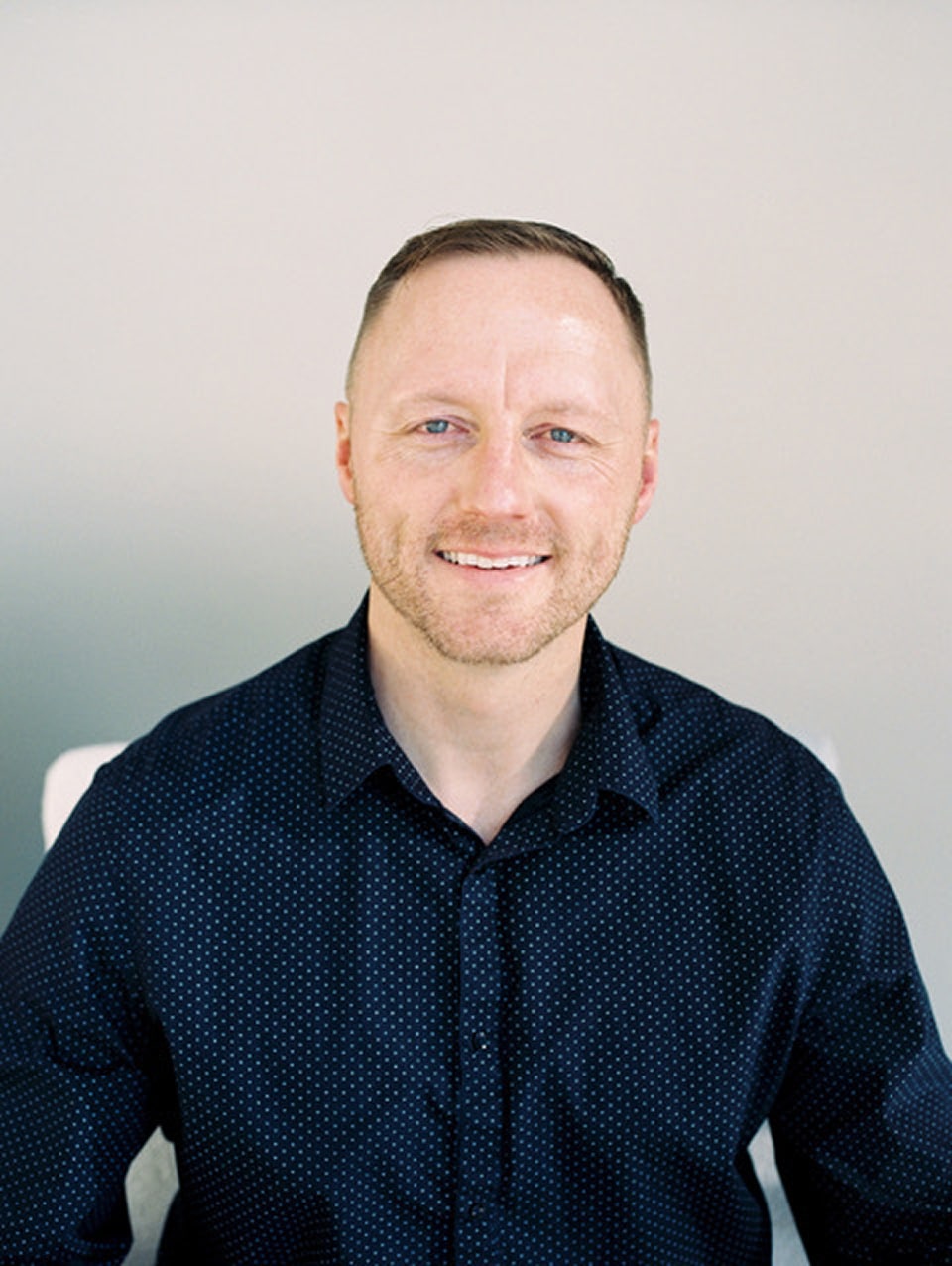
Thomas Rayner, MD
Staff Psychiatrist — Sanctuary Clinics
Dr. Rayner cares for the patients others have struggled to reach. His clinical practice is built around treatment-resistant mood disorders — the men and women for whom standard protocols have not delivered relief, and who arrive at Sanctuary still searching for a way forward.
ABOUT DR. RAYNER
A clinician’s path shaped by research and residency.
Dr. Thomas Rayner earned his medical degree at the University of Utah School of Medicine and completed his psychiatric residency at the University of Nevada, Reno. He is board certified in psychiatry and holds a DEA buprenorphine waiver, allowing him to provide medication-assisted treatment for patients with co-occurring substance use disorders.
Before joining the Sanctuary Clinics team, Dr. Rayner founded and serves as chief medical officer of Whole Mind, a private psychiatric clinic focused on treatment-resistant mood disorders. He continues to provide care for civilly committed and forensic patients on a thirty-bed adult inpatient unit at Utah State Hospital, and consults via telepsychiatry for emergent cases in hospitals across Florida, North Carolina, and Ohio.
His clinical perspective is shaped by years of research at the University of Utah, where he contributed to studies on the genetic underpinnings of autism spectrum disorders, anti-cytomegalovirus antibodies in schizophrenia, and the prevention of delirium in older adults. He is a published author in Schizophrenia Research, the Journal of Autism and Developmental Disorders, and Critical Pathways in Cardiology.
Beyond his clinical practice, Dr. Rayner serves as a Captain in the Utah Army National Guard’s MEDCOM unit.
CLINICAL FOCUS
Conditions Dr. Rayner treats at Sanctuary.
| CONDITION | DR. RAYNER'S APPROACH |
|---|---|
| Treatment-Resistant Depression | Advanced pharmacologic strategies for patients who have not responded to first-line therapies. |
| Mood Disorders | Major depressive disorder, bipolar I and II, and persistent depressive disorder. |
| Anxiety, Trauma & OCD | Generalized anxiety, PTSD, obsessive-compulsive disorder, and panic disorder. |
| Severe Mental Illness | Schizophrenia, schizoaffective disorder, and other complex psychiatric presentations. |
| Addiction Treatment | Medication-assisted treatment and integrated care for alcohol and substance use disorders in a residential setting. |
| Co-Occurring Substance Use | Integrated psychiatric care alongside medication-assisted treatment. |
| Medication Optimization | Evidence-based review for patients with long, complex medication histories. |
| Diagnostic Re-evaluation | A second clinical opinion when prior diagnoses no longer fit, or when treatment has stalled. |
EDUCATION & TRAINING
A foundation built across medicine, research, and service.
Medical Education
Doctor of Medicine
University of Utah School of Medicine
2014 — 2018
Residency in Psychiatry
University of Nevada, Reno
2018 — 2022
Bachelor of Science, Psychology
University of Utah — minors in Chemistry & Integrative Biology
2007 — 2012
Certifications & Service
Board Certified in Psychiatry
American Board of Psychiatry & Neurology
DEA Registration with Buprenorphine Waiver
Authorized to provide medication-assisted treatment
BLS & ACLS Certified
American Heart Association
Captain, MEDCOM Unit
Utah Army National Guard
Member
American Psychiatric Association
SELECTED PUBLICATIONS
Peer-reviewed contributions to psychiatric research.
Anti-cytomegalovirus antibodies in schizophrenia and related disorders: A systematic review and meta-analysis.
Schizophrenia Research, February 2021
Early second trimester maternal serum steroid-related biomarkers associated with autism spectrum disorder
Journal of Autism and Developmental Disorders, 49(11): 4572–4583
Gender disparities in cardiac catheterization rates among emergency department patients with chest pain
Critical Pathways in Cardiology, October 2020
Prospective evaluation of a simplified risk stratification tool for patients with chest pain in an emergency department observation unit
Critical Pathways in Cardiology, 12(3), 132–136
Some of the patients we love most are the ones
who arrive having been told they are out of
options. Healing is still possible — with the
right care, the right time, and a place that
treats the whole person.
Some of the patients we love most are the ones who arrive having been told they are out of options. Healing is still possible — with the right care, the right time, and a place that treats the whole person.
THOMAS RAYNER, MD
Begin a conversation with our
clinical team.
Begin a conversation with our clinical team.
If you or someone you love is searching for a different kind of psychiatric care —
one grounded in faith, evidence, and patience —
we would be honored to speak with you.
If you or someone you love is searching for a different kind of psychiatric care — one grounded in faith, evidence, and patience — we would be honored to speak with you.