

CORE COMPETENCY 7 OF 12
Gratitude
The Discipline That Rewires a Broken Mind
Gratitude is not a feeling you wait for—it is a practice you fight for. In the depths of mental illness, when your brain is wired to see only darkness, gratitude becomes an act of holy rebellion. It is the deliberate choice to look for God’s goodness even when everything inside you says there is none. And slowly, faithfully, it changes the way your brain works.
“Give thanks in all circumstances; for this is God’s will for you in Christ Jesus.”
1 Thessalonians 5:18
Why This Matters for Recovery
Thanksgiving as Medicine
Science is finally catching up to what Scripture has always known: gratitude heals.
Countering Negativity Bias

Your brain is wired to notice threats and losses more than blessings. Mental illness amplifies this bias tenfold. Gratitude practice is the antidote—deliberately training your mind to see what’s good alongside what’s broken.
Holy Rebellion

When depression whispers “nothing is good,” gratitude is your declaration of war. It refuses to let the darkness define reality. Giving thanks in suffering is not denial—it is defiance rooted in faith.
Rewiring the Brain

Neuroscience confirms it: consistent gratitude practice physically changes neural pathways. Over time, your brain literally gets better at noticing good—creating new default settings that support healing.
Remembrance & Hope

Gratitude looks backward and forward simultaneously—remembering what God has done and trusting what He will do. This dual vision anchors you when the present moment feels unbearable.
Going Deeper
Understanding Gratitude
Not a feeling to manufacture, but a muscle to build.
What Is Biblical Gratitude?
Let’s be honest about something right away: gratitude in the midst of suffering feels almost offensive. When you’re in the pit of depression, when your child is in crisis, when the medication isn’t working, someone telling you to “just be thankful” can feel like a slap in the face.
Biblical gratitude is not that. It is not toxic positivity dressed in religious language. It is not pretending that everything is fine when everything is falling apart. Biblical gratitude is the practice of acknowledging God’s presence and goodness even in—especially in—the moments when His plan makes no sense to you.
“I will give thanks to the Lord with my whole heart; I will recount all of your wonderful deeds.”— Psalm 9:1
Notice the psalmist’s language: “I will.” This is not a spontaneous emotion. It is a decision. A declaration. An act of the will that precedes the feeling. David did not write this from a throne room of comfort—he wrote it while running for his life, hunted by enemies, abandoned by friends. He chose gratitude not because life was good, but because God was.
Why Gratitude Heals
The connection between gratitude and mental health is one of the most well-documented findings in positive psychology—and one of the most underutilized tools in treatment. The research is staggering in its consistency.
People who practice gratitude regularly experience fewer symptoms of depression, less anxiety, better sleep, stronger immune function, and greater resilience in the face of trauma. But here is the part that matters most for recovery: gratitude does not merely improve your mood—it restructures how your brain processes information.
The Clinical Connection
Brain imaging studies show that gratitude activates the medial prefrontal cortex and the anterior cingulate cortex—regions associated with moral cognition, reward processing, and interpersonal bonding. Remarkably, these are the same areas that depression suppresses. Gratitude literally floods with activity the very brain regions that mental illness starves. Researchers found that gratitude’s neural effects are cumulative—the more you practice, the stronger and more automatic the brain’s positive pathways become.
This is why gratitude is not a luxury for people in recovery—it is a treatment. Not a replacement for medication and therapy, but a powerful complement that accelerates healing at the neurological level. Your brain can change. And gratitude is one of the simplest, most accessible tools for changing it.
The Biblical Foundation
The Bible does not merely suggest gratitude—it commands it. And it does so in a way that acknowledges the difficulty of the command. Paul did not write “give thanks in all circumstances” from a comfortable study. He wrote it from a life marked by imprisonment, beatings, shipwrecks, and chronic illness. He knew exactly what he was asking.
“Rejoice always, pray continually, give thanks in all circumstances; for this is God’s will for you in Christ Jesus.” — 1 Thessalonians 5:16-18
Notice: Paul says “in all circumstances,” not “for all circumstances.” There is a profound difference. You are not asked to be thankful for your child’s psychotic episode, for the failed treatment, for the 2 AM crisis call. You are asked to find something to thank God for in the midst of those things. His presence. His faithfulness. The breath still in your lungs. The friend who answered the phone. The treatment center that still has a bed.
Consider also the Israelites in the wilderness. God commanded them to celebrate feasts—festivals of thanksgiving—while they were still wandering, still homeless, still between the promise and its fulfillment. Gratitude was not reserved for the Promised Land. It was the practice that sustained them on the way there.
“Gratitude is not only the greatest of virtues, but the parent of all the others. It is the root from which grows every good thing the soul can produce.” — Cicero, echoed by the Church Fathers
Wisdom from Those Who Walked Before
The saints who practiced gratitude most deeply were not those with the easiest lives. They were the ones who suffered most—and found God most faithful in the suffering. Their words are not platitudes; they are battle-tested truths:
“He is no fool who gives what he cannot keep to gain what he cannot lose. And the first thing we must give is our complaints—exchanging them for thanksgiving, which is the currency of heaven.” — Jim Elliot
“Do not spoil what you have by desiring what you have not; remember that what you now have was once among the things you only hoped for. Every good gift comes down from the Father of lights.” — Epicurus, adapted by the Desert Fathers
“Joy is the simplest form of gratitude. When we cease to see the gifts, we cease to see the Giver. And when we cease to see the Giver, we lose the source of all joy.” — Karl Barth
Jim Elliot was martyred at 28, having given everything for the gospel—and counted it gain. Karl Barth wrote theology while watching his country consumed by war. These were not naive optimists. They were people who stared into the darkness and chose to count stars.
A Prayer for Gratitude
If your heart feels dry, if thankfulness feels impossible, if you can barely name one good thing—start here. This prayer is not about performing gratitude. It is about asking God to open your eyes to what He is already doing, even when you cannot see it.
“Father, I confess that gratitude does not come easily right now. My vision has narrowed to my pain, and I have lost sight of Your goodness. I do not ask You to remove my suffering—I ask You to open my eyes within it. Show me the mercies I have been too consumed to notice. The breath in my lungs. The people who have not given up on me. The fact that I am here, still fighting, still seeking You. Teach me to say ‘thank You’ even when my heart does not feel it, and trust that the feeling will follow the faithfulness. In Jesus’ name, Amen.” — A Prayer for Grateful Eyes

Begin Each Day with Thankfulness
Receive free daily devotionals delivered straight to your inbox—morning and evening Scripture, wisdom from the saints, and practical steps for your recovery journey.
- Daily readings
- Wisdom from the saints
- 100% free, unsubscribe anytime
Join thousands walking the recovery journey together. We respect your privacy.
Companion Reading
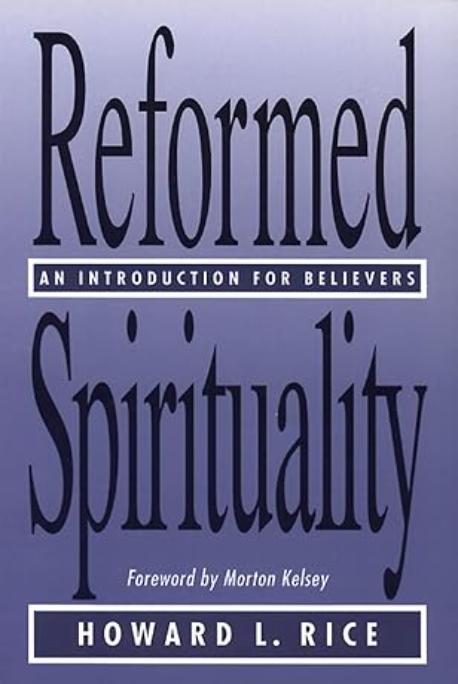
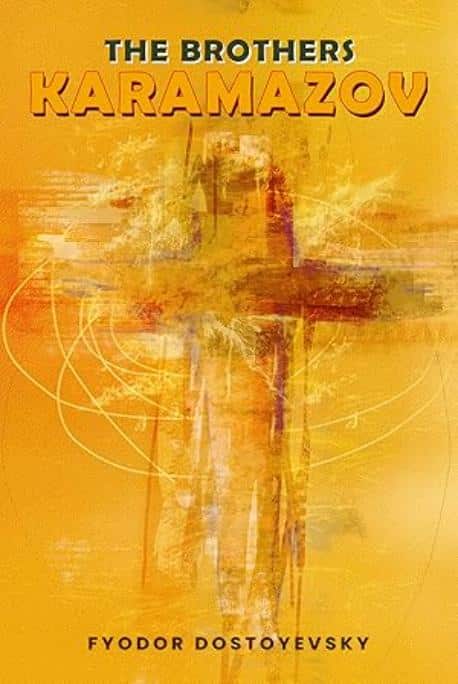
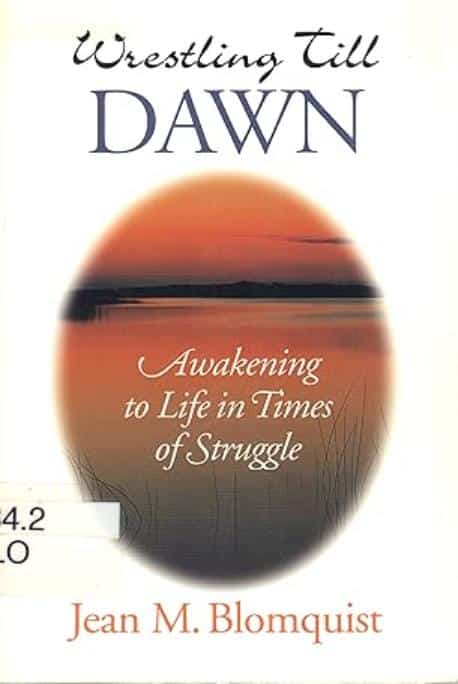
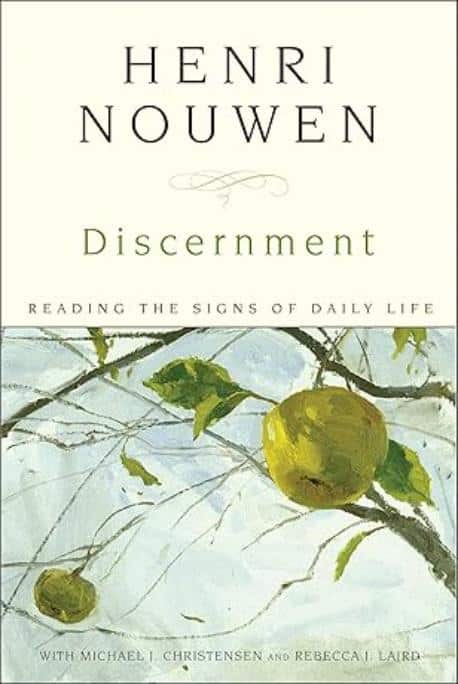
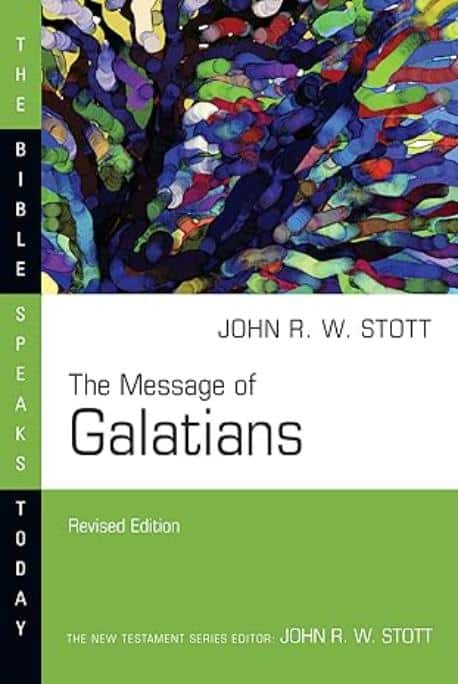
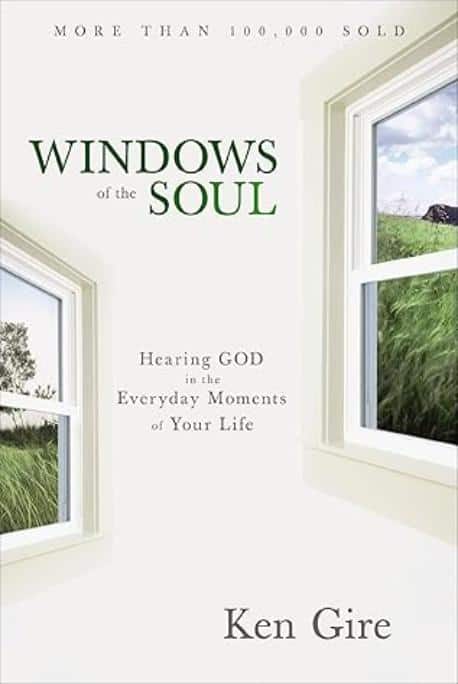
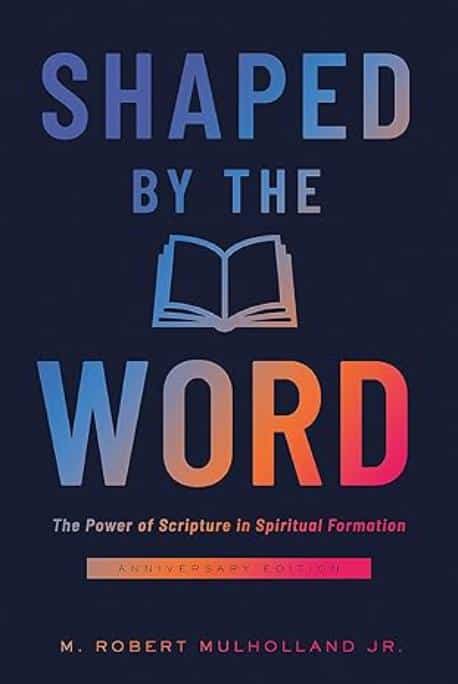
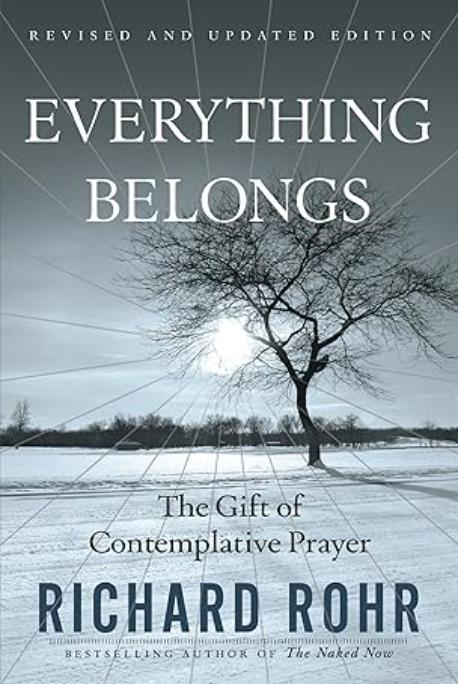
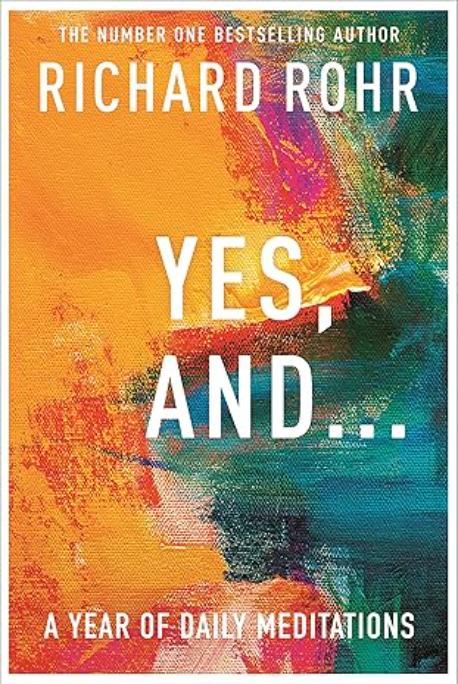
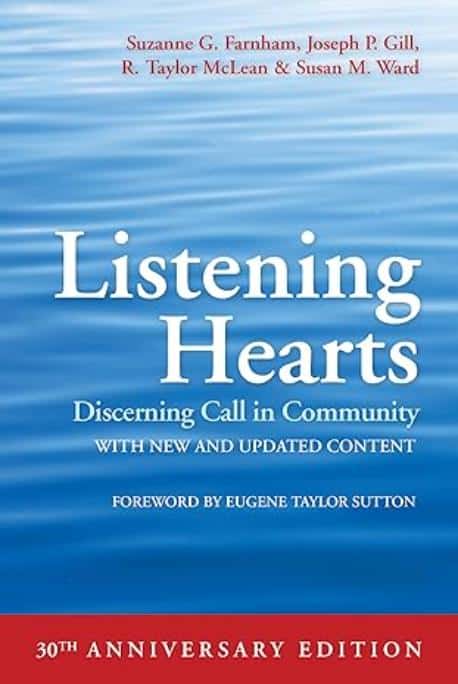
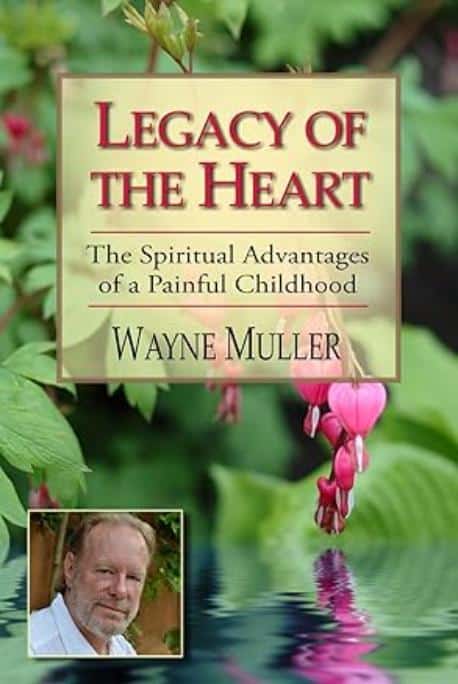
Go Deeper into Thankfulness
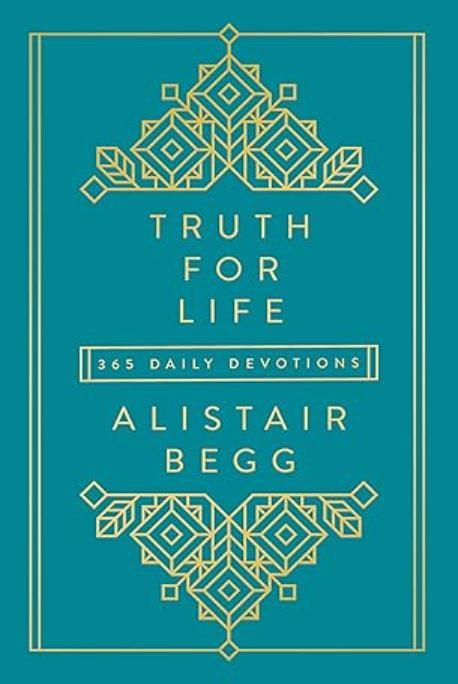
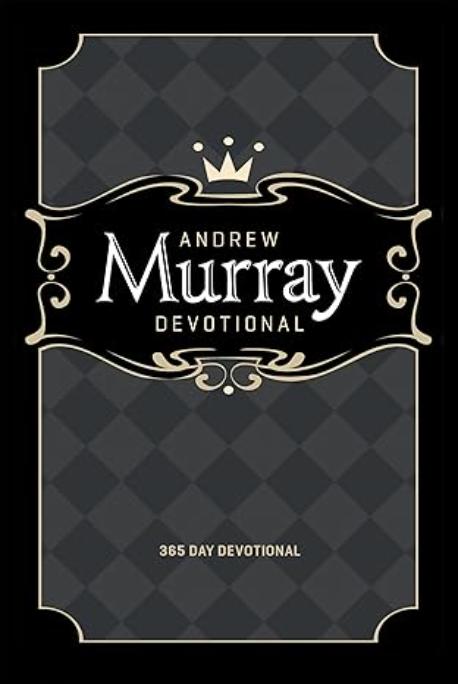
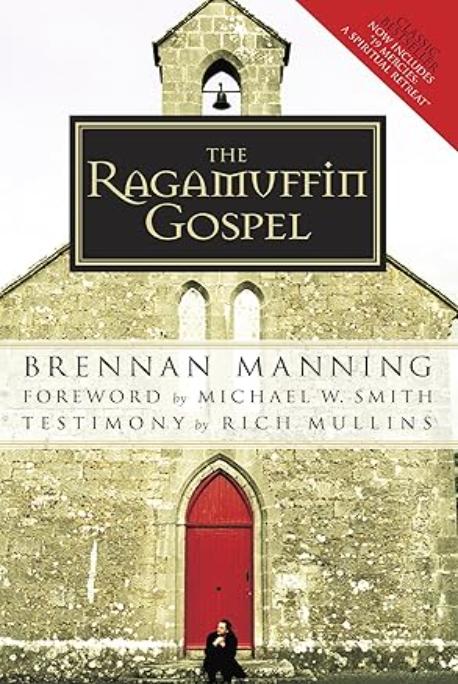
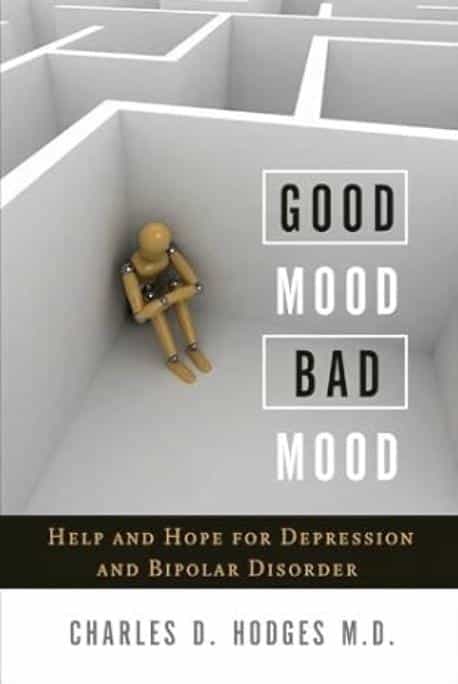
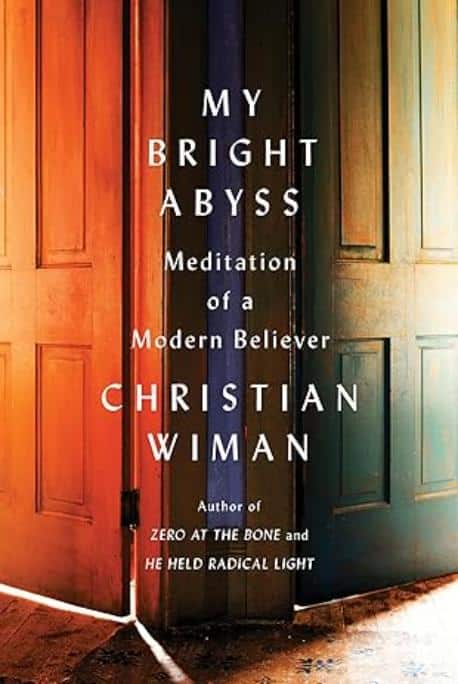
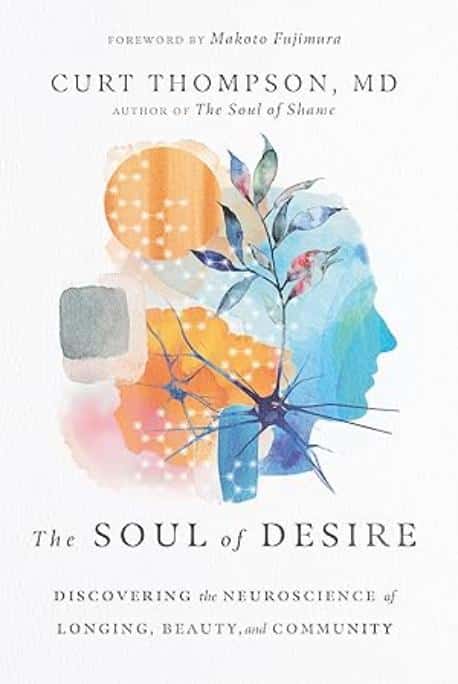
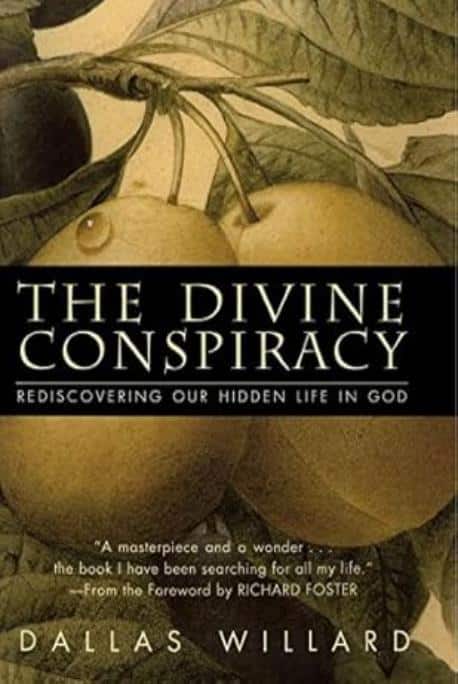
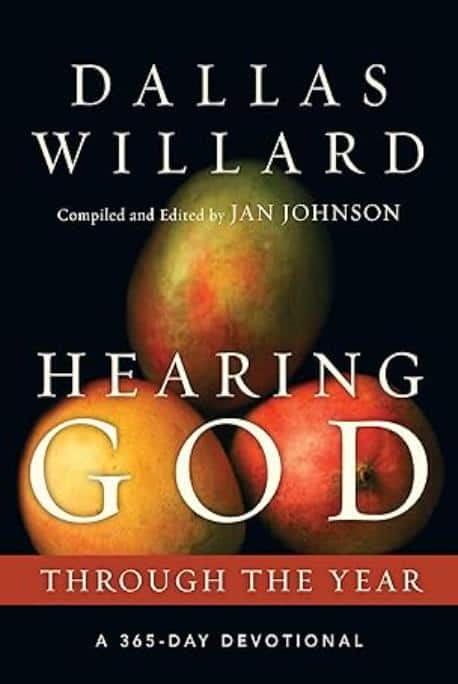
These beloved works cultivate hearts of gratitude even in the hardest seasons.















ABOUT US

Where This Devotional Was Born
Sanctuary Clinics is a Christ-centered residential mental health treatment center in Florida. We exist for those who have tried everything else—where clinical excellence meets authentic Christian community for complete healing of spirit, mind, and body.
- Christ-Centered Care – Faith isn’t an add-on; it’s the foundation of everything we do
- Clinical Excellence – Evidence-based psychiatric care from experts who are also believers
- Healing Community – Not a hospital with a chaplain, but an Acts 2 community living together
- Affordable & Accessible – Quality care that doesn’t require choosing between healing and financial ruin